

NEOCH’s Four-Pillar Approach
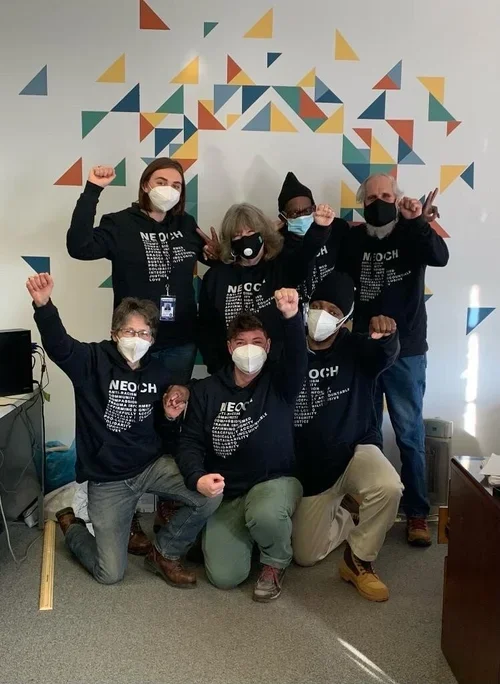
Our work starts with four pillars to eliminate the root causes of homelessness while loving our diverse community through four pillars of our work: organizing, advocacy, education, and street outreach. These four pillars become the four teams that make up the NEOCH team.

01
Organizing

02
Advocacy

03
Street Outreach

04
Education
01 Organizing
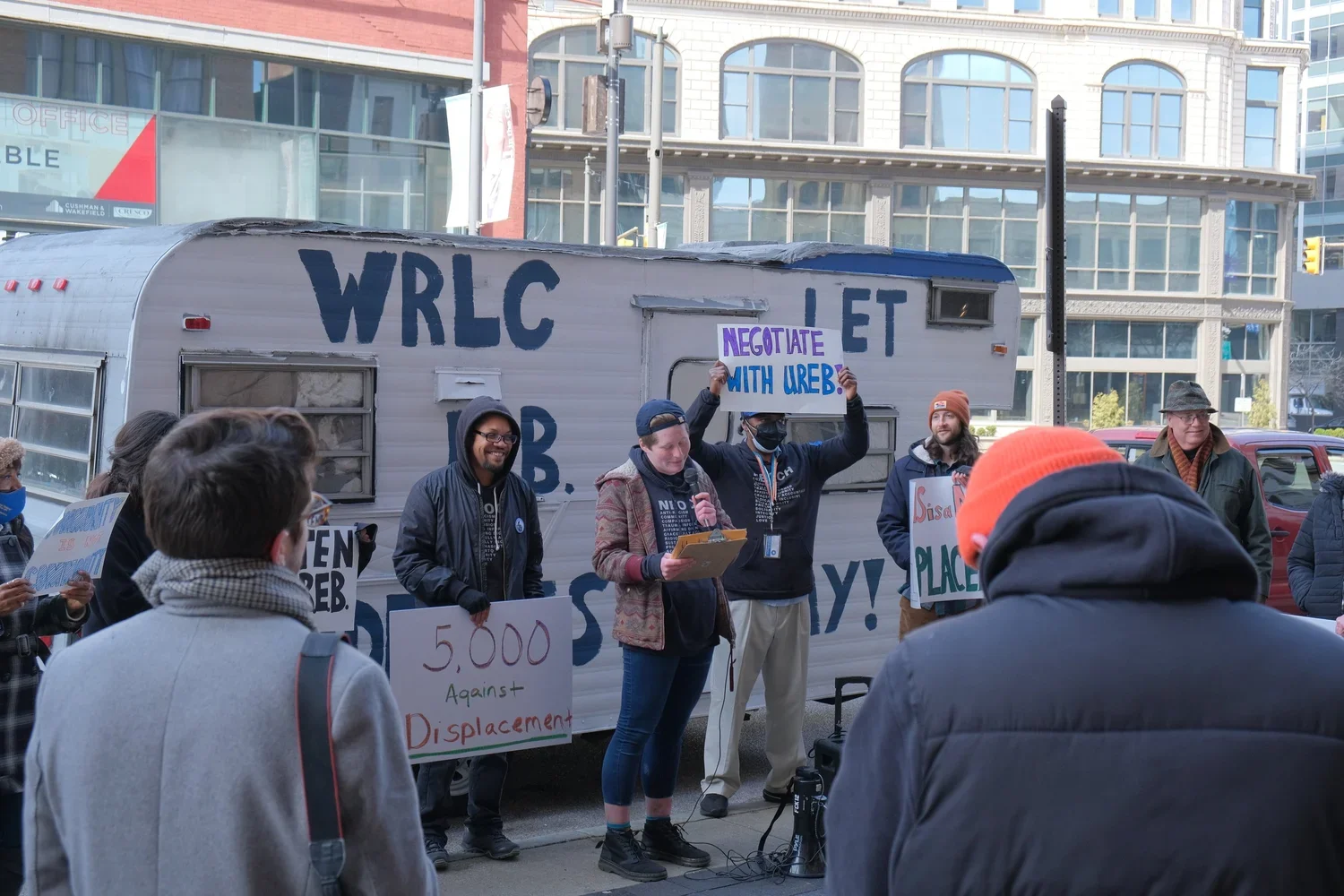
NEOCH’s organizing work mobilizes a grassroots constituency to share ideas and build power to ignite public support, political will, and initiatives to eliminate the root causes of homelessness.
-
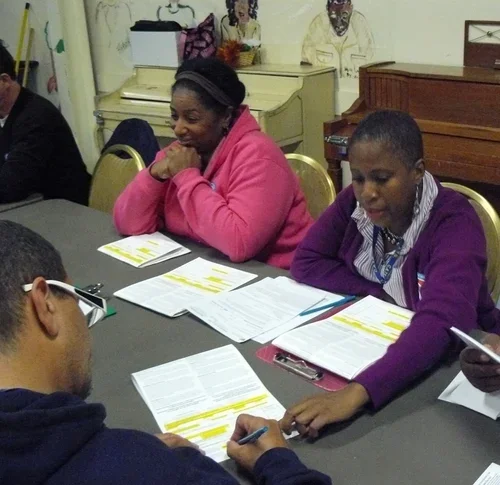
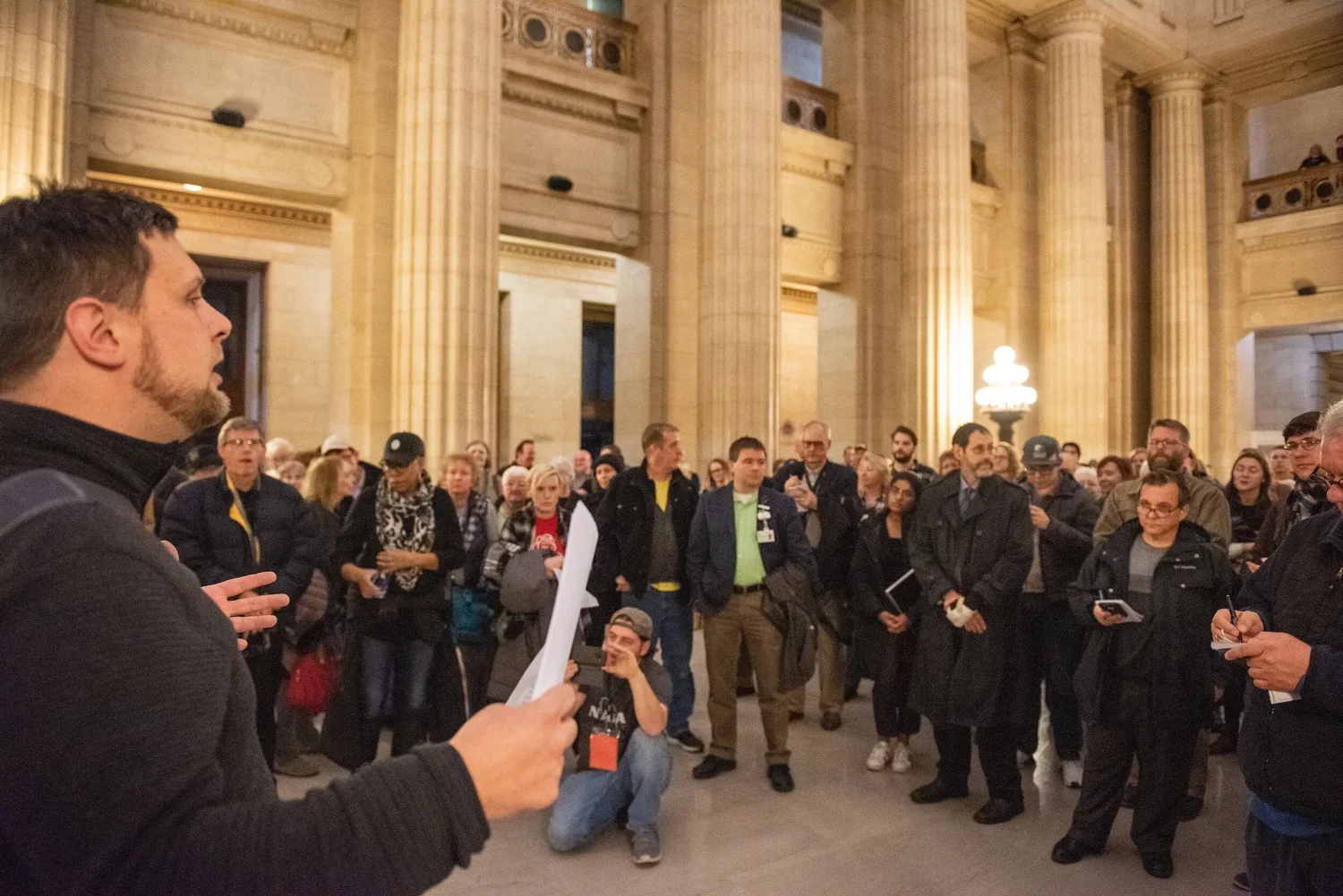
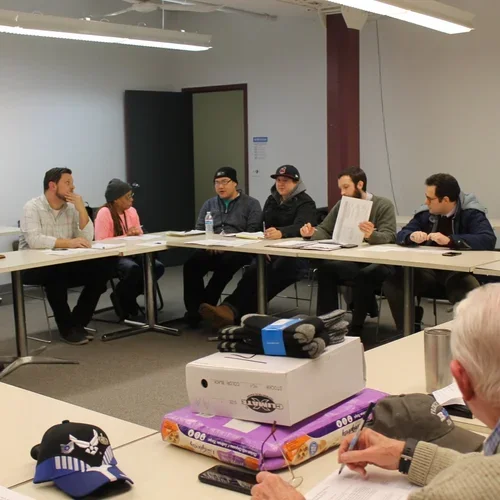
The Homeless Congress is an organizing group of community leaders and advocates with lived experience of homelessness. NEOCH supports the Congress to hold open meetings each month, with sheltered and unsheltered residents invited to attend to discuss areas of mutual concern, solve problems, and pursue change. The ultimate mission of Homeless Congress is to build power in the unhoused community through solidarity and collective action. Those directly impacted by poverty, homelessness, and other forms of oppression come together to form relationships and advocate for change with a unified voice.
-
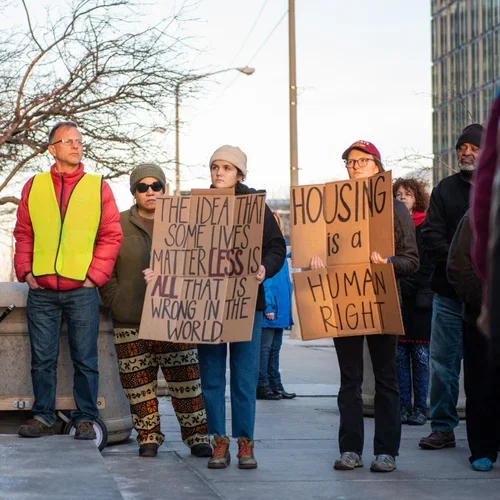
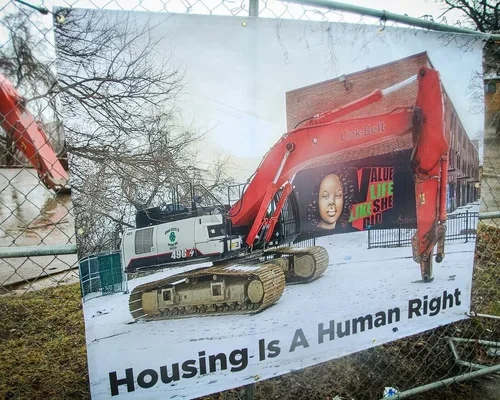
Fundamental to NEOCH’s mission is the belief that housing is a human right. Therefore, we take a person-centered approach to the goal of eliminating the root causes of homelessness. We believe that true housing justice must be achieved through actively organizing and empowering those whom it concerns most - that is, people suffering from homelessness and housing insecurity. Our aim is to develop community-led collaboration and leadership that takes on issues of housing insecurity and homelessness by highlighting crisis issues and pushing for public sector action.
-
For decades, NEOCH has been committed to defending the civil rights of the homeless community by ensuring that they have a say in both local and national elections. We frequently host voter registration drives at sites across the city of Cleveland to encourage homeless participation in public matters that concern them directly. This past year, NEOCH helped 200 people experiencing homelessness and housing insecurity register to vote in time for the 2020 Presidential Election.
-
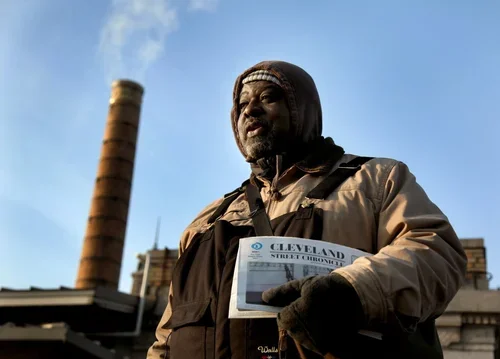
Since 1991, NEOCH has operated The Cleveland Street Chronicle, a newspaper written and sold by people with lived experience of homelessness. The newspaper, formerly known as The Homeless Grapevine, gives people experiencing homelessness a space for both self-expression and advocacy. We generally release The Cleveland Street Chronicle quarterly.
-
Item description
02 Advocacy
We seek systemic change by leading service providers, government officials, and the Northeast Ohio community to address policies and conditions that cause homelessness while also changing their response to people experiencing a housing crisis.
-
According to the Cuyahoga County Office of Homeless Services, 75% of people using shelters in Cleveland are black, Indigenous, people of color (BIPOC), despite making up approximately half of the city’s population. Such disproportionate representation reveals the structural racism that is implicit in housing and homeless policy. NEOCH strives to create intentional spaces and accountability structures within our community’s homelessness system to eliminate systemic racism as a root cause of homelessness. This means recognizing that racism is embedded in the very fabric of this country and so our work must constantly acknowledge this fact, center the voices and wishes of those most impacted, and implore everyone to recognize their stake in undoing racism.
-
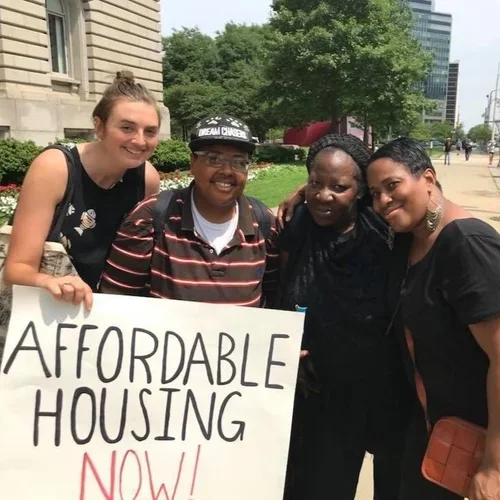
Preventing homelessness begins with strengthening the rights of tenants, especially their right to access safe, affordable housing. We aim to increase stable housing rights for people at risk of homelessness while providing backbone support to create momentum for affordable housing policies that benefit low-income renters. To end homelessness, we need proactive and innovative approaches to housing rights & policy that take leadership from those directly impacted. Helping to pass “Pay to Stay” legislative protections for renters in Ohio has been an integral feature of NEOCH’s advocacy work in 2020 and 2021.
-
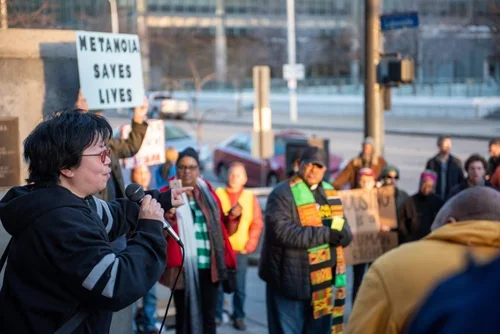
In committing to the values of radical inclusivity and affirming dignity, our vision necessitates protecting and expanding the civil rights of people experiencing homelessness. It is particularly important to combat the criminalization of homelessness, apparent most clearly in the selective enforcement of laws - such as loitering and other “quality of life” offenses. These laws criminalize the circumstances of poverty and fuel stereotyped fear about people living unhoused. Our advocacy work in this area also involves examining shelter conditions and policies, ensuring LGBTQ+ access to and affirmation in shelters, and addressing homelessness caused by the collateral consequences of past criminal convictions.
03 Street Outreach
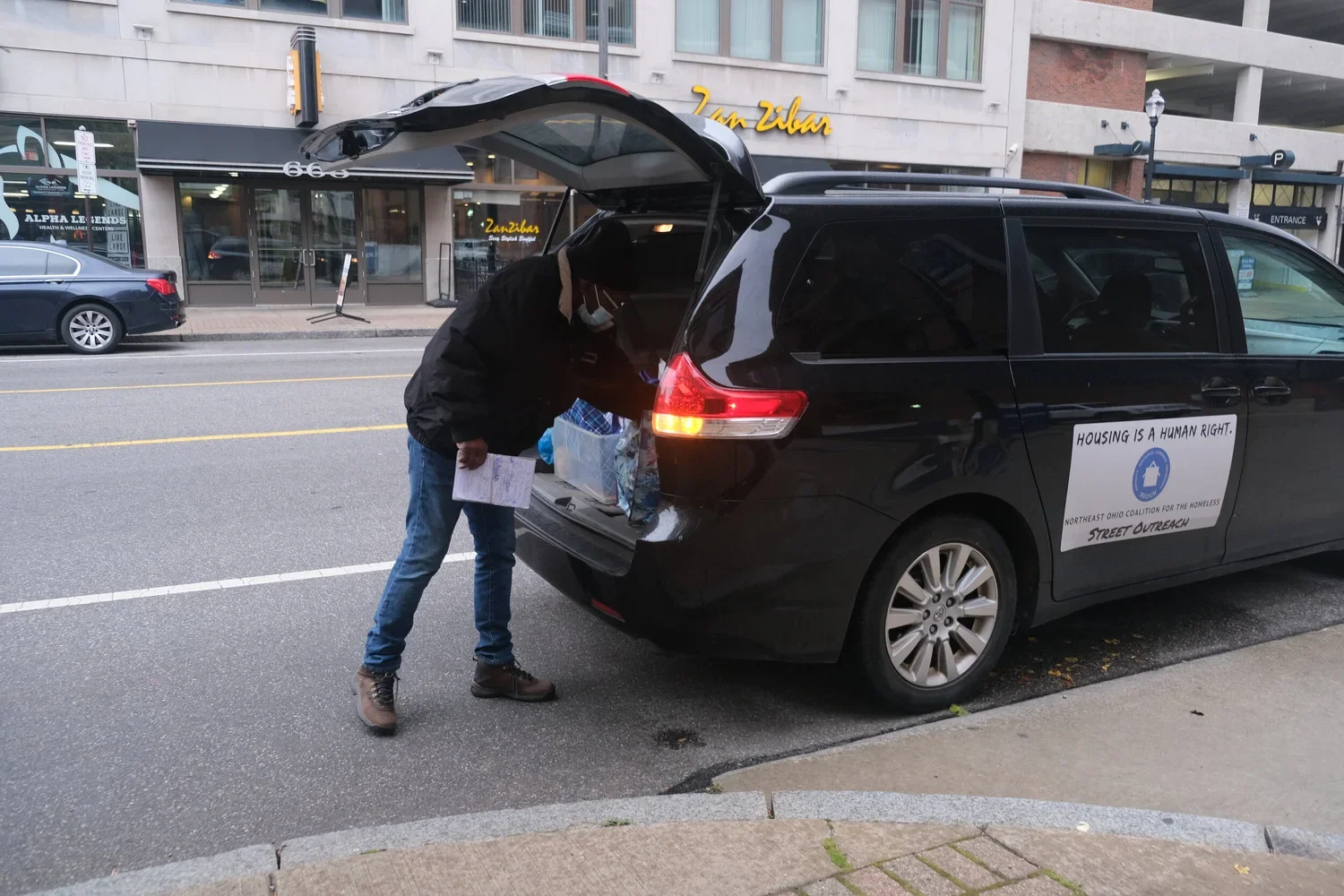
We aim to reduce Cuyahoga County’s unsheltered homeless population through relationally based, trauma-informed street outreach services and collaboration with other service providers and volunteer groups.
If you are experiencing homelessness and/or need outreach assistance, please click here.
-
Like most of our initiatives, NEOCH approaches outreach services with a communal spirit, recognizing that it takes a collective will to attend to the problems of homelessness and care for those who it impacts. With this in mind, we formed the Outreach Collaborative, which brings together outreach workers from different organizations that serve Cleveland’s homeless population. This program is meant to ensure better communication and greater coordination of resources between service providers, so as to improve care for clients experiencing homelessness.
-
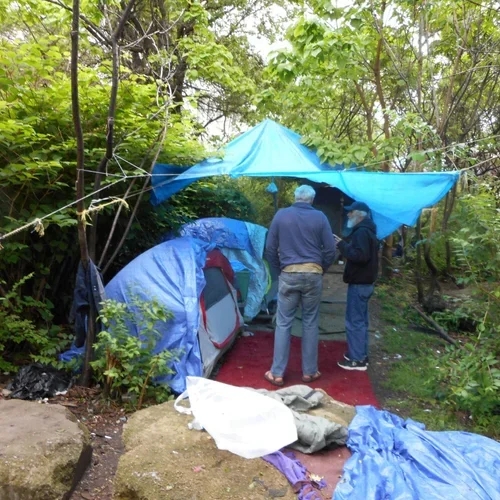
Our team specializes in helping people experiencing unsheltered homelessness access the basic resources they need to survive and, eventually, find adequate housing. NEOCH’s outreach workers serve as “first responders” to crisis homelessness situations, acting as an alternative to law enforcement and thus resisting the criminalization of homelessness. Key to this role is cultivating relationships with clients based on trust, mutuality, and individual accompaniment.
-
Homelessness has disproportionate impacts on demographic categories beyond race and ethnicity, most notable among these being within the LGBTQ+ community. Therefore, we have dedicated outreach staff trained in trauma-informed care tasked with assisting LGBTQ+ clients. We also provide outreach services to other vulnerable homeless populations, like veterans and youth.
-
Item description
04 Education
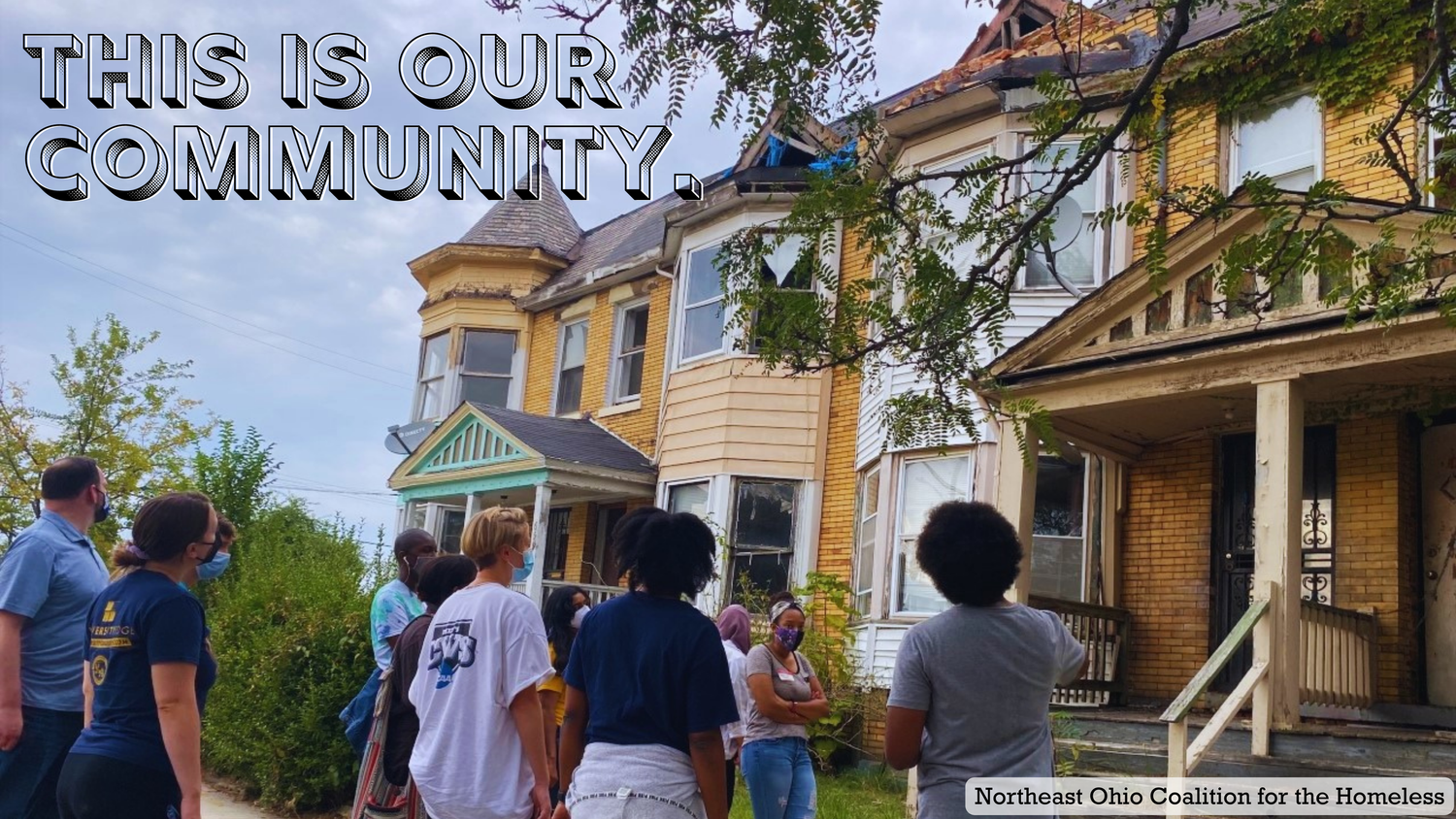
Our education work operates with the goal of increasing community awareness of the oppression and inequity in homelessness and housing systems and leading those working and living in these contexts to organize and advocate for change.
-
Throughout each year, NEOCH hosts and facilitates various workshops dealing with a range of topics, from housing and organizing to nonviolent communication skills. It is our intention to provide attendees with a deeper awareness of how to understand and navigate the problems of homelessness, both locally and in their wider context. These trainings are generally purposed for workers and staff who serve homeless and low-income populations; however, registration is available publicly and all are welcome to attend.
-
The Street Voices bureau empowers people who have experienced homelessness to share their stories directly with an audience they may not otherwise have access to. Trained speakers often visit schools, churches, and civic organizations to recount their stories and struggles as a way of exposing people to the real faces of homelessness. We hope to inspire change in local communities by prioritizing homeless voices that show the concrete, personal impacts of homelessness.